
Garage Door Won't Close Repair in Parker, TX
Out here in Parker, where Lakeside Estates driveways stretch long and the garages attached to those sprawling estate homes often hold three or four cars, a door that stubbornly refuses to close is more than an inconvenience — it's a real security concern. When your opener starts the door down, gets halfway there, then reverses back up like it changed its mind, something specific has gone wrong, and guessing at it wastes your afternoon.
Prosper Garage Door Repair serves Parker and the surrounding Collin County area with same-day service on exactly this kind of problem. Whether your opener's lights are blinking a warning code, your door stalls just a few inches from the concrete, or it will only close if you stand at the wall button and hold it down the entire way, our technicians know what to look for — and more importantly, what to fix.
- Same-day service in Parker, TX and Collin County
- Typical repair cost $85–$250 — flat quote before work begins
- Licensed & insured technicians experienced with heavy custom and carriage-style doors
- Photo-eye cleaning, limit reset, roller replacement, and auto-reverse safety test included in every visit
- Call (972) 742-3944 for same-day scheduling
Request a Free Quote
Fast response — usually within 15 minutes during business hours.
Why Estate Homes in Parker See This Problem More Than You'd Expect
Parker's low-density character means most homes sit on generous acreage, and garages are built to match. Oversized three- and four-car bays fitted with heavy custom carriage-style doors — the kind you see lining the Parker Road estate corridor near Southfork Ranch — place real mechanical demands on openers and hardware that a standard suburban door simply doesn't.
Heavier doors put more strain on rollers and tracks. When a roller begins to wear and binds in the track, the opener senses resistance and triggers its auto-reverse safety feature — which is doing exactly what it should, but that doesn't help you get the door closed. Parker's North Texas summers also bake the sensor lenses on photo-eye safety sensors mounted near the floor, and dust from the surrounding rolling acreage settles on them constantly. A lens that looks fine to the naked eye can be just dirty enough to fool the sensor into thinking something is blocking the door's path.
Reading the Warning Signs Before They Get Worse
A door that reverses immediately after you press the button usually points straight to the photo-eye sensors — those two small units mounted a few inches off the floor on either side of the door. If one is slightly out of alignment, even by a degree or two, the beam breaks and the opener won't allow the door to travel down. You'll often see the opener's light bulbs blink in a specific pattern to signal the fault.
A door that closes most of the way and then stops — say, three or four inches above the floor — is telling a different story. That symptom usually means the close-limit or travel settings inside the opener have drifted, or the door's physical resistance has changed enough that the force settings no longer match the load. Worn rollers, a track that's shifted, or even seasonal wood expansion in a custom carriage door can cause that mismatch.
The most frustrating scenario is a door that closes fine when you hold the wall button but reverses the moment you let go. This points to a sensitivity or force calibration issue — the opener is interpreting the door's normal resistance as an obstruction the instant it loses that continuous signal. Left unaddressed, that fault tends to worsen, and it eventually strains the logic board.
Our Diagnostic and Repair Process
We start every visit with the photo eyes — inspecting alignment, cleaning both lenses with a dry microfiber cloth, and checking the wiring for any corrosion or pinch points along the door frame. Even a cobweb crossing the sensor path in a Brookside garage is enough to trigger a false obstruction signal, and it takes about two minutes to rule out.
From there we move to the opener's travel and force limit settings, resetting them to match the door's actual weight and travel distance. If rollers are binding, we inspect the full set and replace worn ones on the spot; most repairs for Parker's heavy custom doors fall in the $85–$250 range depending on whether it's a sensor fix, a limit adjustment, or a combination of hardware and calibration work. Finally, we run a full auto-reverse safety test — placing a two-by-four flat on the floor and confirming the door reverses on contact — before we consider the job complete.
What It Costs and What Moves the Number
Most garage door won't-close repairs in Parker run between $85 and $250. A straightforward sensor realignment and cleaning sits at the lower end of that range. If the travel limits need resetting alongside a roller replacement, expect to land in the middle. A failed logic board — less common, but it does happen on older openers that have been cycling heavy carriage-style doors for years — pushes the number toward the upper end and sometimes makes opener replacement the smarter investment.
We give you a clear, flat quote before any work begins. No surprise fees, no upsells you didn't ask for. Same-day availability across Parker and surrounding Collin County communities means you're not leaving a four-car garage unsecured overnight waiting on a scheduled appointment.
Real Projects
Our Garage Door Work in Parker
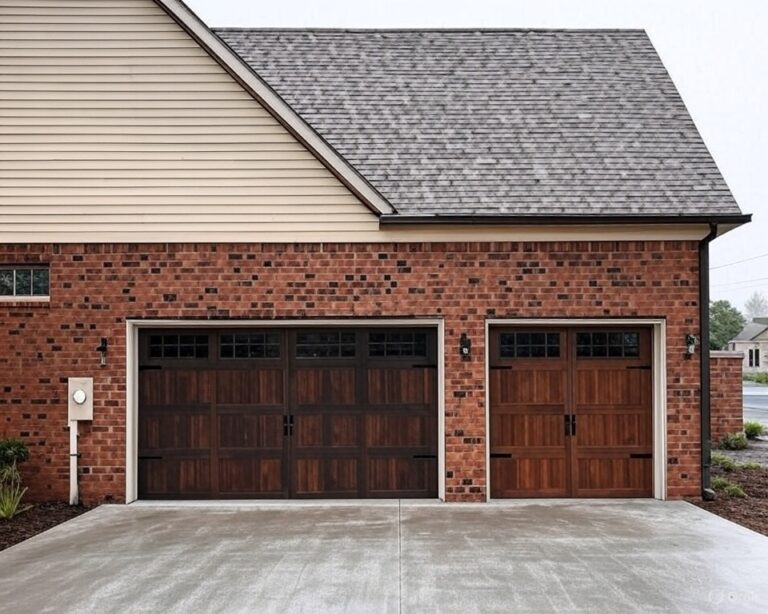
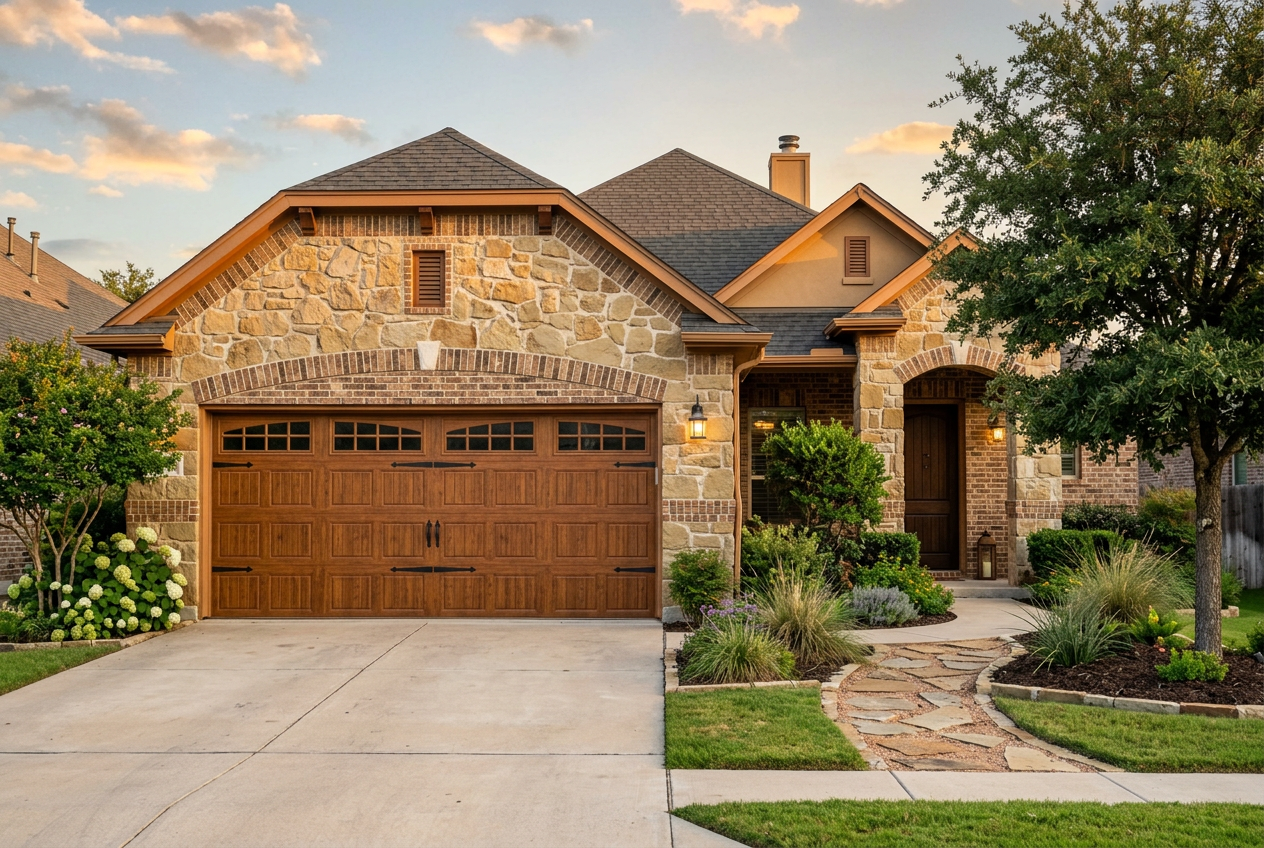
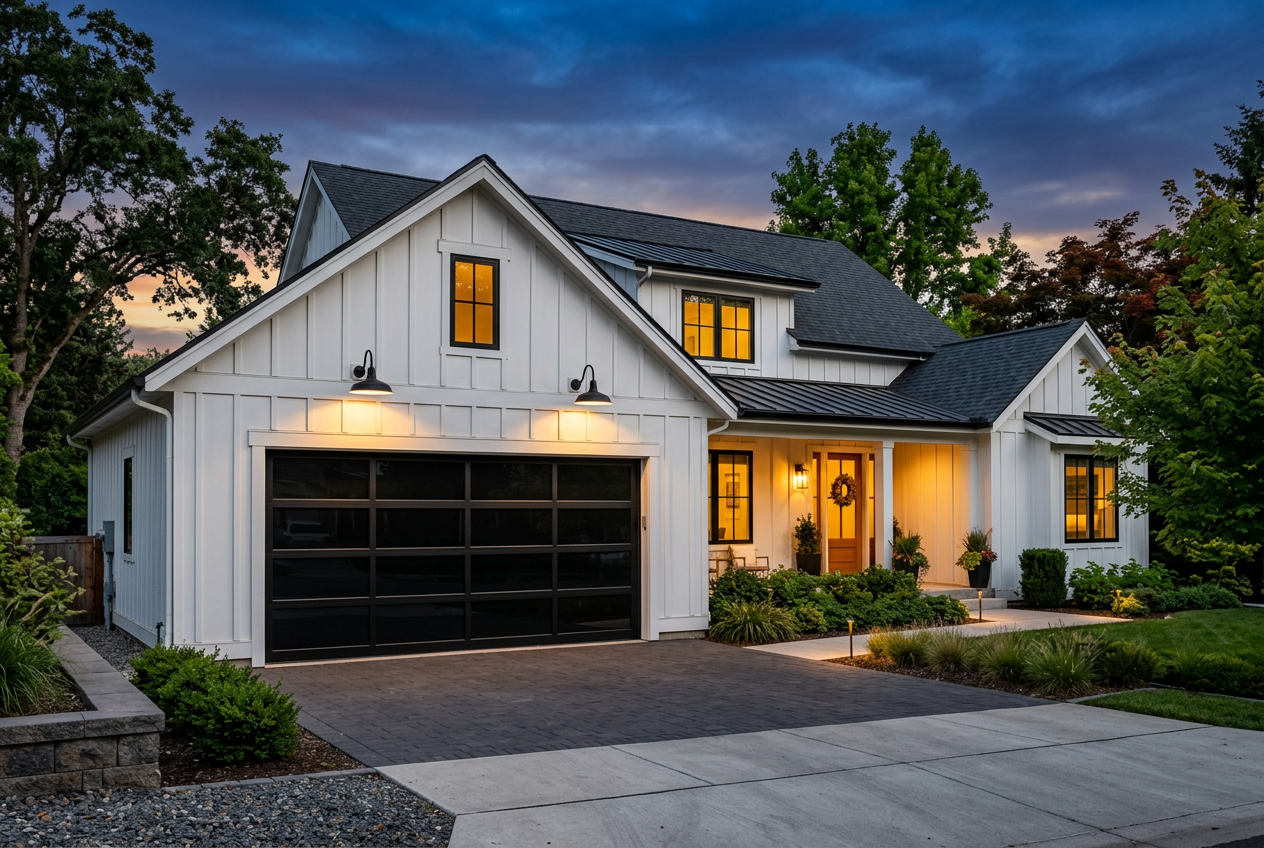
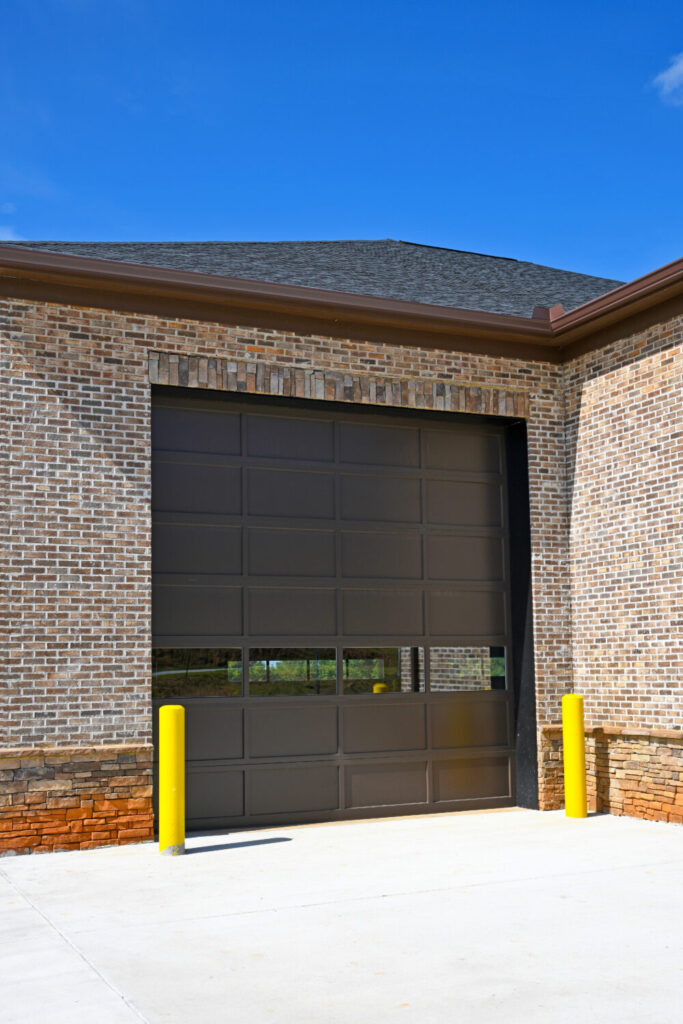
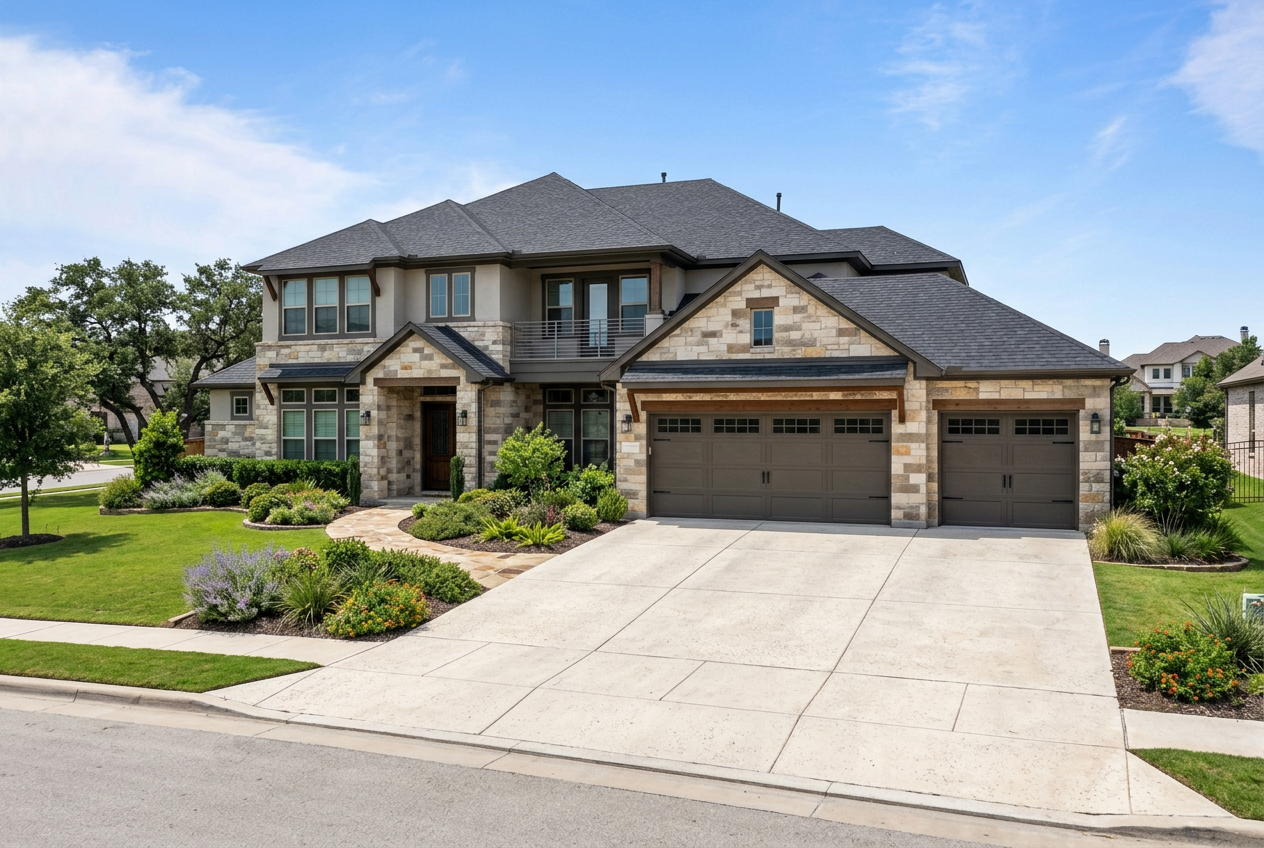
A look at garage door repairs and installations we've completed for Parker homeowners and businesses.
Garage Door Won't Close Repair FAQs
Garage Door Won't Close Repair Questions in Parker
My opener light blinks when the door reverses — what does that mean on a Parker estate home with a heavy carriage door?
Blinking opener lights are a diagnostic code, and the most common cause is a photo-eye sensor fault. On heavier carriage-style doors common in Parker, a second possibility is that the force settings can't overcome the door's weight as it ages. Count the blinks — many brands use a specific number to indicate sensor vs. limit issues — and call us; we'll decode it and fix it same day.
The door closes only if I hold the wall button the whole time. Is that safe to keep doing?
It's not a long-term solution and it bypasses the auto-reverse safety feature. That symptom usually means force or sensitivity calibration is off. Continuing to operate the door this way can strain the opener's logic board over time. We recommend getting it properly adjusted rather than working around it.
Could all the dust and pollen from Parker's acreage actually block my photo-eye sensors?
Absolutely. Parker's rural landscape means more airborne dust, pollen, and in dry summers, fine grit that coats sensor lenses and diffuses the infrared beam enough to trigger a false obstruction reading. Cleaning the lenses is the first thing we check, and it solves the problem more often than homeowners expect.
My three-car garage door stops about three inches above the floor and won't go further. Is that a sensor issue or something else?
That gap is a classic close-limit setting symptom rather than a sensor fault — the sensor would have triggered a full reversal. The opener's travel settings need to be extended slightly to match the door's actual closing point. We reset and test this during every service call.
How long does a won't-close repair typically take on a large estate garage in Parker, and do I need to be home?
Most repairs take 45 minutes to 90 minutes depending on what's involved. For sensor realignment and limit adjustments, you just need someone to provide access. If we're replacing rollers or evaluating the logic board on a heavy custom door, it helps to have the homeowner available to approve any additional parts, but it's not required for the initial diagnostic.
Garage Door Broken? We'll Fix It Today.
Call now for fast, same-day garage door repair in Prosper and across Collin County. Friendly local techs and upfront pricing.